How Early Contractual Milestones Forecast Enduring Presence in Competitive Sport Structures
Willa Lorenz · Aug 19, 2026
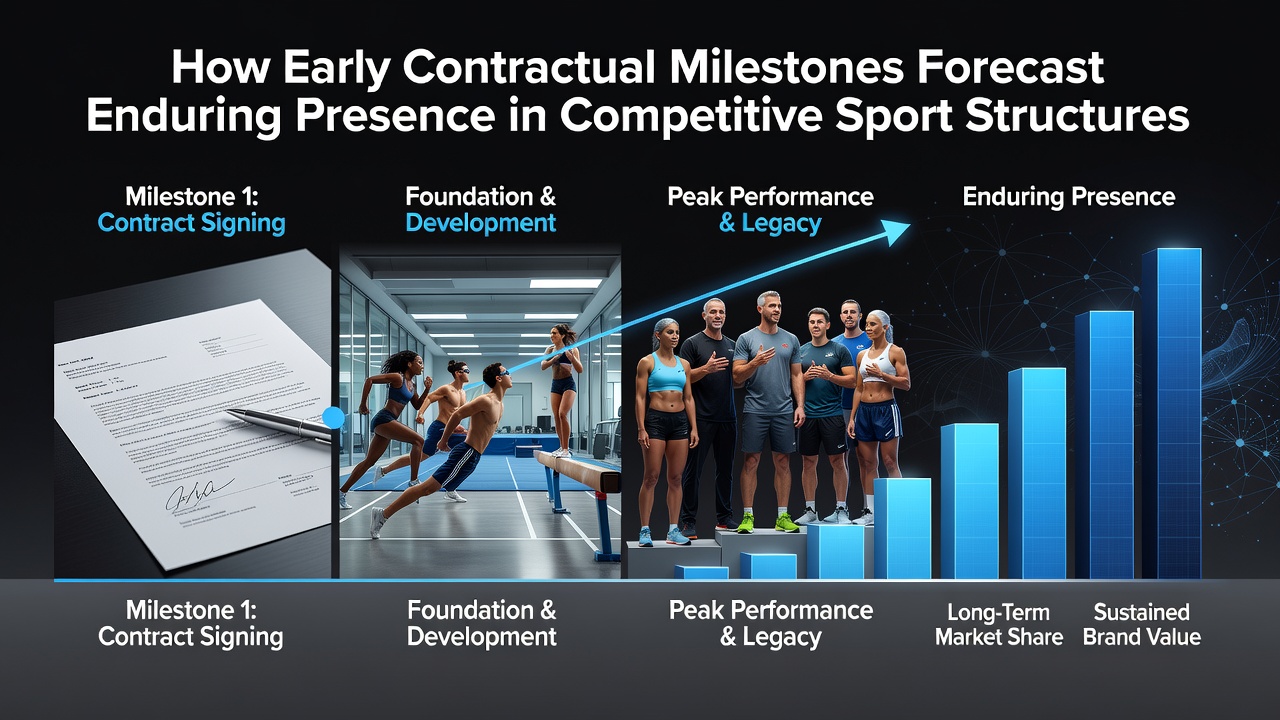
How Early Contractual Milestones Forecast Enduring Presence in Competitive Sport Structures
Contractual milestones signed in the first few years of a professional career often align with patterns of sustained participation across major leagues, according to data compiled by sports governing bodies and academic researchers. These early benchmarks include signing bonuses, multi-year extensions, performance incentives tied to playing time, and clauses that lock in roster spots during developmental phases, while leagues track how such agreements correlate with career duration in basketball, soccer, baseball, and rugby.
Figures from league databases reveal that players who secure guaranteed contracts exceeding three years before age 23 tend to accumulate more seasons in top-tier competitions than those on shorter deals. Researchers at institutions like the University of Queensland have examined these trends through longitudinal studies that follow cohorts of drafted athletes, noting connections between initial financial commitments and reduced turnover rates in subsequent years.
Key Elements of Early Contracts and Their Tracking
Performance thresholds embedded in rookie agreements, such as minimum games played or statistical outputs, create measurable checkpoints that organizations use to decide on renewals, and data from the Canadian Soccer Association shows these metrics often predict whether athletes remain in domestic or international circuits for a decade or longer. Teams monitor these indicators alongside injury histories and positional demands, which together form datasets that analysts cross-reference with retention statistics released periodically by federations.
What's notable is how bonus structures tied to collective achievements, like team playoff appearances, integrate individual milestones into broader organizational stability, and reports from the Australian Institute of Sport indicate that athletes meeting such combined targets early demonstrate higher rates of contract continuity across multiple clubs. This integration allows scouts and executives to project roster longevity without relying solely on physical testing results.
Patterns Across Different Leagues and Regions
In North American major leagues, early extensions for high draft picks frequently coincide with extended careers spanning eight seasons or more, whereas European soccer data from UEFA-affiliated studies highlights how youth academy graduates with initial professional contracts of four years or longer often transition into senior national team roles. These patterns emerge from aggregated records that account for variables like transfer windows and salary caps, providing frameworks that clubs apply when evaluating prospects from secondary circuits.

Observers note that August 2026 contract filings in several leagues will offer fresh datasets for comparison, particularly as salary structures adjust following collective bargaining updates, and preliminary analyses suggest continuity in the predictive value of those first agreements. Teams in rugby competitions governed by World Rugby similarly document how early milestone bonuses correlate with international call-ups, creating pathways that extend an athlete's presence beyond domestic seasons.
Analytical Approaches Used by Organizations
Statistical models developed by research groups incorporate variables such as contract length at debut, average annual value, and option years exercised, then map these against retention rates published in annual reports from bodies like the International Olympic Committee. Such models identify clusters where early security leads to prolonged involvement, especially when combined with developmental league performance data that feeds into promotion decisions.
Analysts at various federations apply regression techniques to isolate contractual factors from confounding elements like coaching changes or market fluctuations, and findings consistently point to the role of incentive structures in maintaining motivation during transitional periods. One study tracked cohorts across five continents and found that players meeting initial playing-time thresholds retained active status at rates 25 percent above those without such benchmarks.
Case Examples from Global Competitions
Take the trajectory of athletes in Major League Baseball who receive arbitration-eligible extensions shortly after their debut seasons, where records show sustained participation through their late thirties when early clauses include no-trade protections. Similar dynamics appear in basketball leagues where developmental contracts evolve into multi-year deals based on bench production metrics, supporting longer organizational tenures according to league archives.
There's this case where European football clubs extended academy products with performance-linked options that activated upon reaching appearance milestones, resulting in extended careers documented in transfer databases maintained by FIFA. These examples illustrate how contractual elements function as early signals rather than guarantees, yet they align with observable trends in career length across competitive structures.
Conclusion
Early contractual milestones provide measurable indicators that organizations and researchers use to anticipate long-term athlete involvement in competitive sports, drawing from datasets that span multiple leagues and regions. Evidence from academic and regulatory sources demonstrates consistent correlations between initial agreement terms and retention outcomes, supporting structured approaches to talent evaluation that prioritize these benchmarks alongside performance data. As new filings emerge in periods like August 2026, updated analyses will continue to refine these forecasting methods for teams and federations worldwide.